Choose a focused topic and format
Start with a subject that members can discuss through specific examples. A broad theme such as restoration can be hard to cover in one meeting. A focused topic gives the group a useful starting point and helps the host prepare. Ask members what they are working on or where they have run into questions.
Match the format to the subject. A short demonstration works well for a task that is easy to see. A group discussion suits decisions with several possible approaches. For a topic that needs context, ask one or two members to describe a project and invite questions afterward.
| Format | Useful for | Preparation |
|---|---|---|
| Demonstration | A visible task or tool | Choose a safe, clear example |
| Project discussion | Comparing restoration choices | Bring photos and a short project summary |
| Question session | Shared member concerns | Collect questions before the meeting |
Prepare the car and materials
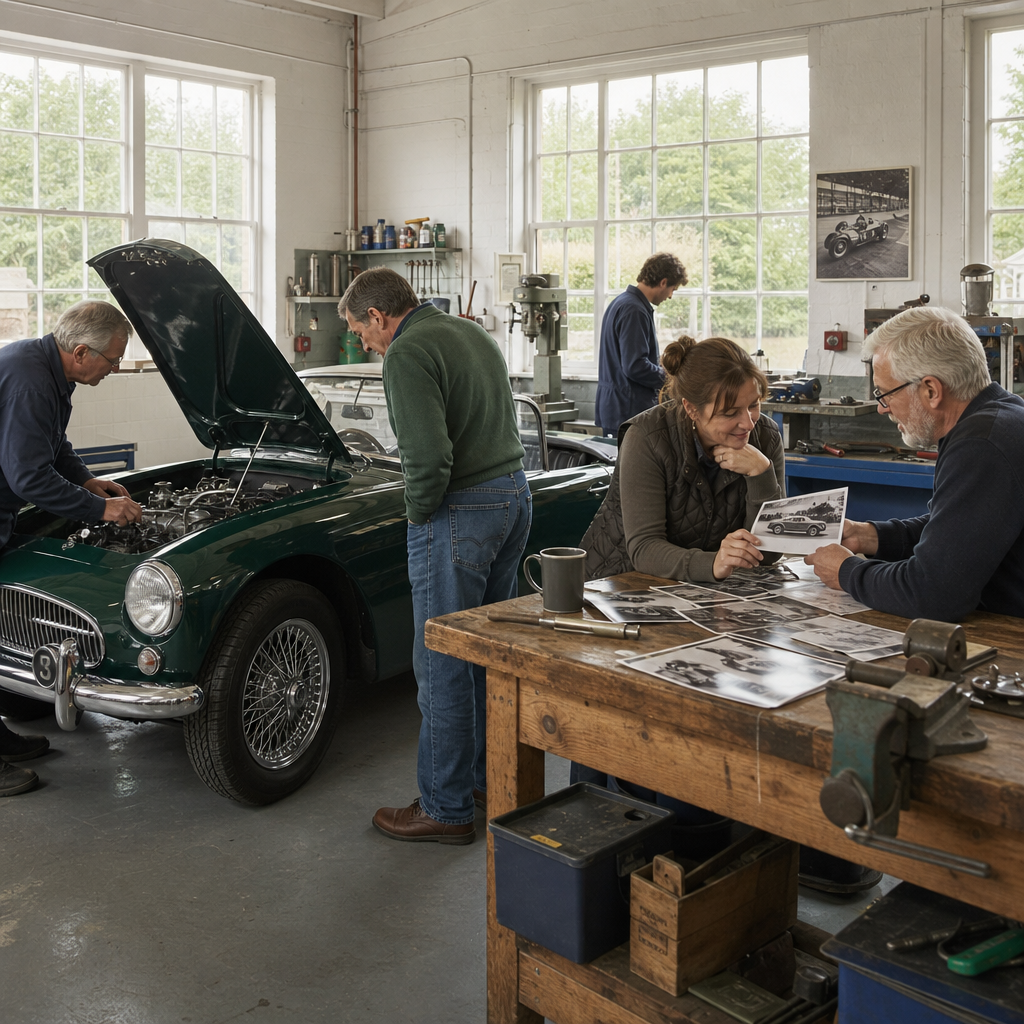
Decide whether the group will meet around a car, use photographs, or work from parts and documents. A vehicle can make details easier to understand, but the host should choose an area that members can view without crowding. Keep tools and loose parts organized. Do not ask anyone to handle equipment or perform a task unless the setting is suitable and the host has checked the risks.
Give attendees a short note before the meeting. Include the topic, what they may want to bring, and whether they should expect a demonstration or a discussion. Invite members to bring photos or questions from their own cars. Make it clear that preparation is optional, so newcomers do not feel they need to arrive with a finished project.
- A few clear photographs or diagrams
- A brief outline of the car or repair being discussed
- Relevant manuals, notes, or parts for reference
- A list of questions gathered from members
Give the meeting a simple structure
A light structure helps keep the conversation useful without making the gathering feel like a lecture. Begin with a brief introduction to the car and the question behind the workshop. Explain any terms that may be unfamiliar. Then let the host show the example or describe the choices made during the project.
Keep time for questions and different viewpoints. Restoration work often involves trade-offs in cost, originality, availability, and the owner’s intended use. Ask members to explain why they chose a particular approach. That makes the discussion more useful than a list of instructions that may not fit every car.
- Introduce the topic and the car or project.
- Show the example or outline the main decision.
- Invite questions and experiences from the group.
- Summarize useful points and name any open questions.
Share experience and record useful points
Make room for members with different levels of experience. Ask open questions, such as what information helped someone choose a repair or what they would check before starting similar work. Avoid treating one person’s method as the only right answer. The condition of each car and the owner’s goals can change what makes sense.
End with a short recap. Note resources members recommend, questions that need more research, and possible subjects for a future meeting. Ask the host before sharing project photographs or personal notes beyond the club. These small habits help the club build a useful record of its shared knowledge while keeping the discussion respectful and practical.