Choose the Format and Audience
Start with the purpose of the event. The club may want to introduce more residents to classic cars, raise funds for a local project, or create a relaxed day for families. A clear purpose will guide the location, schedule, and activities.
Choose a format that matches the available time and volunteers. A small static display is easier to manage than a full-day program. The event could include short talks, a restoration question desk, a parts identification table, or a gentle parade on a planned route. Avoid adding activities that need equipment or staff the club does not have.
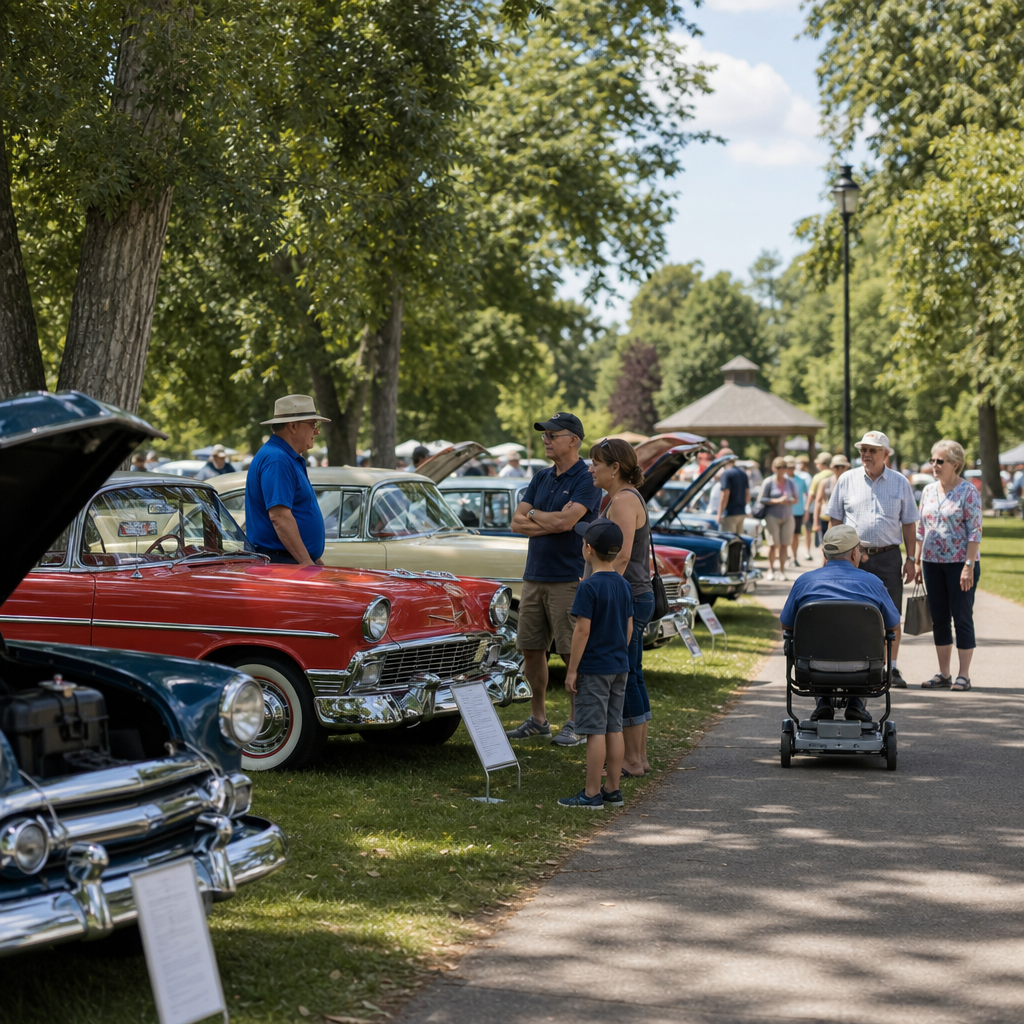
Think about visitors who know little about older vehicles. Use plain labels that explain the car's age, make, model, and an interesting restoration detail. Invite owners to describe the work in simple terms. Children may enjoy a drawing table or a supervised chance to look inside a vehicle. Keep every activity optional and easy to understand.
| Format | Best for | Planning needs |
|---|---|---|
| Car display | Visitors who want to walk around and ask questions | Vehicle layout, labels, shade, and visitor routes |
| Display with talks | People interested in restoration methods | A small speaking area, schedule, and sound plan |
| Display with a fundraiser | Clubs supporting a local cause | A clear donation process and named volunteers |
Prepare the Cars and Share the Work
Agree on the vehicles before publishing event details. Owners should confirm that their cars are suitable for display and that they can attend for the required period. A smaller group of well-prepared cars may create a better experience than a crowded area with little space between vehicles.
Ask each owner to check fluid leaks, tire condition, battery security, and visible loose parts. Clean cars carefully, but do not hide useful signs of age. Honest information about repairs can make conversations more valuable. Keep keys with the owners or with an agreed event coordinator.
Divide the work into clear roles. One person can manage vehicle arrivals. Another can welcome visitors. A small team can answer questions about restoration. Someone should watch the donation point and keep basic records. Set a timetable for arrival, opening, breaks, and departure. Give volunteers written instructions so the event does not depend on one person.
- Event coordinator for decisions and timing
- Vehicle team for parking and display spacing
- Visitor team for greetings and questions
- Activity team for talks or family tasks
- Site team for supplies, waste, and closing checks
Make the Event Accessible and Safe
Choose a site with a firm surface, clear entrances, and enough room for people to move without stepping between cars. Leave a wide route for wheelchairs, mobility aids, and strollers. Provide seating if visitors may need to rest. Signs should use large, readable text and point to entrances, toilets, first aid supplies, and exits.
Separate moving vehicles from visitors. Set a defined arrival route and ask drivers to follow a slow walking pace. Keep engines off when cars are parked unless there is a specific safety reason. Do not allow children to enter vehicles without the owner's permission and direct supervision. Check weather conditions and prepare shade, water, or a revised schedule when needed.
Before the event, confirm who will handle minor incidents and how emergency services can reach the site. Follow the location's own rules and obtain any permissions required by the venue. The club should communicate practical conditions to owners and visitors before they arrive.
- Inspect the site and mark vehicle and visitor routes
- Place signs, barriers, seating, and waste containers
- Brief every volunteer before cars arrive
- Review the site during the event and respond to hazards
- Complete a final walk-through before closing
Leave the Community Better Organized
Plan the closing as carefully as the opening. Give owners a departure order and keep visitors away from moving cars. Collect signs, tables, cables, and unused supplies. Check under and around display areas for litter, fluid marks, and small objects that could cause a problem later.
Record what the club learned. Note visitor questions, popular activities, volunteer workload, and any access issues. Ask the venue or community partner for practical feedback. Use this information for the next event.
A community car event works best when the club's interest and its service goal remain connected. The vehicles attract attention, while the organization, care, and useful conversation give the event its lasting value.
- Remove all event materials and waste
- Return borrowed equipment
- Thank volunteers and participating owners
- Review donations or other agreed results
- Write down improvements for the next gathering